 310-553-3055
 213-463-2100
Written Information Security Plan (WISP)
Without a strong information security strategy, your business risks financial loss, reputational damage, and compliance violations. That’s where a Written Information Security Plan (WISP) comes in.
What Is an Information Security Plan (WISP)?
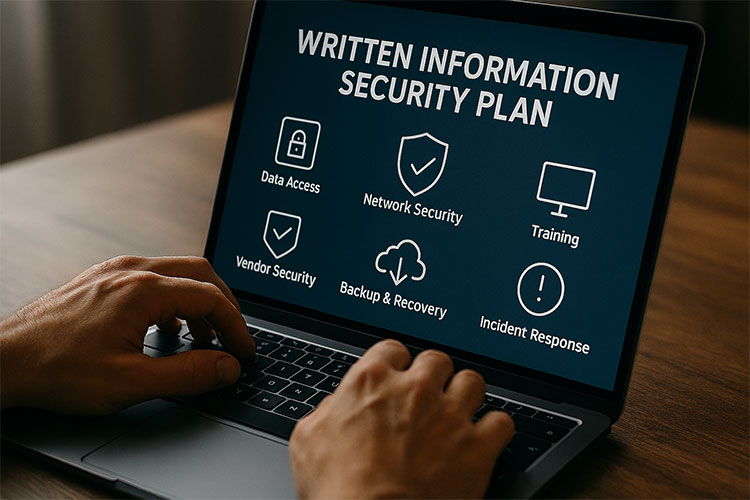
In today’s digital world, businesses of all sizes face growing cybersecurity threats, from data breaches to ransomware attacks. Without a strong information security strategy, your business risks financial loss, reputational damage, and compliance violations. That’s where a Written Information Security Plan (WISP) comes in.
A WISP is a structured framework that outlines how your company protects sensitive data, manages cybersecurity risks, and ensures regulatory compliance. Whether you’re in healthcare, finance, retail, or professional services, a well-implemented WISP can help safeguard your business from cyber threats while ensuring compliance with industry regulations. Netready specializes in creating and managing WISPs for businesses in Southern California. Schedule a 15-minute discovery call today to strengthen your cybersecurity strategy.
What Is a Written Information Security Plan (WISP)?
A Written Information Security Plan (WISP) is a formal document that outlines your company’s approach to data security, risk management, and compliance. It serves as a roadmap for protecting sensitive business and customer information, ensuring your organization follows best practices for cybersecurity and regulatory compliance.
A WISP includes policies and procedures for:
- Data Encryption and Storage
- Network Security and access control
- Employee security training and awareness
- Incident Response and breach notification
- Regulatory compliance requirement (e.g., HIPAA, PCI-DSS, CMMC, NIST)
By implementing a WISP, businesses can reduce security vulnerabilities, improve risk management, and demonstrate compliance with industry regulations.
Why Your Business Needs a WISP
Many businesses mistakenly believe that only large corporations need cybersecurity plans. However, small and mid-sized businesses (SMBs) are prime targets for cybercriminals, making a WISP a critical component of any cybersecurity strategy.
Compliance with Industry Regulations
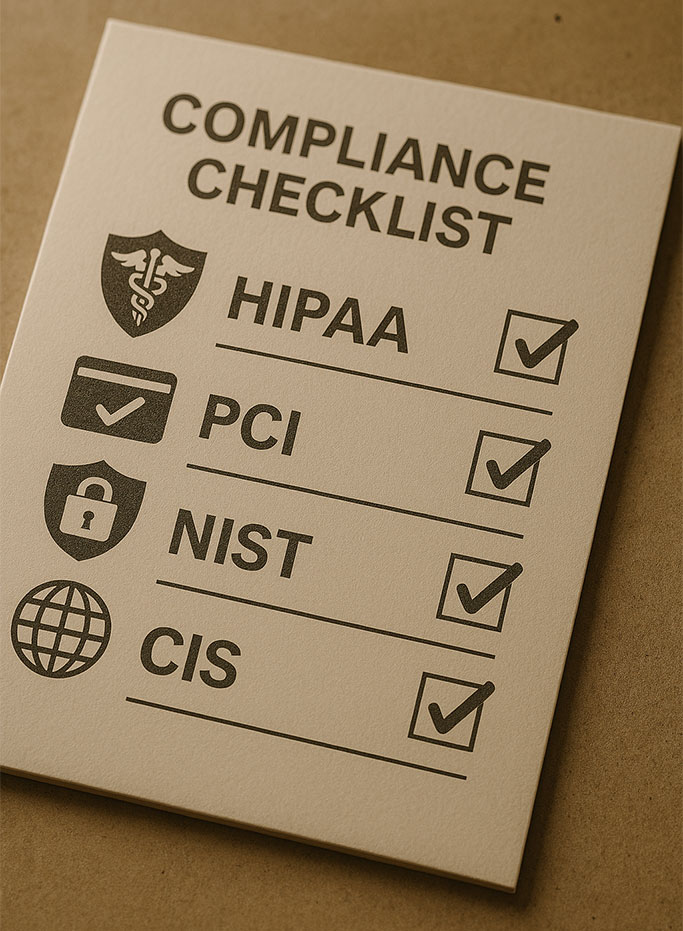
Many industries require businesses to maintain a WISP to protect customer data and meet legal requirements. For example: Healthcare organizations must comply with HIPAA security standards. Financial institutions must meet GLBA (Gramm-Leach-Bliley Act) requirements. Businesses handling credit card payments must follow PCI-DSS security protocols.
Protection Against Cyber Threats
A WISP helps prevent cybersecurity breaches by implementing strong access controls, employee training programs, and encryption policies. With cyberattacks increasing every year, having a formal security plan is essential for reducing risk.
Enhancing Customer Trust & Reputation
Clients and customers expect businesses to protect their sensitive information. A WISP demonstrates your commitment to cybersecurity, giving clients peace of mind that their data is secure and handled responsibly.
Structured Incident Response & Recovery
In the event of a data breach or cyberattack, a WISP provides step-by-step procedures for responding to the incident, notifying affected parties, and recovering lost or compromised data.
Reducing Financial & Legal Risks
Cyberattacks can result in hefty fines, legal liabilities, and lost revenue. Implementing a WISP minimizes these risks by ensuring your business follows cybersecurity best practices and compliance requirements.
Strengthening Employee Security Awareness
Employees are often the weakest link in cybersecurity. A WISP provides clear guidelines for training employees, ensuring they understand how to recognize phishing scams, protect sensitive data, and follow security protocols.
Key Components of
a Strong WISP
Many businesses mistakenly believe that only large corporations need cybersecurity plans. However, small and mid-sized businesses (SMBs) are prime targets for cybercriminals, making a WISP a critical component of any cybersecurity strategy.
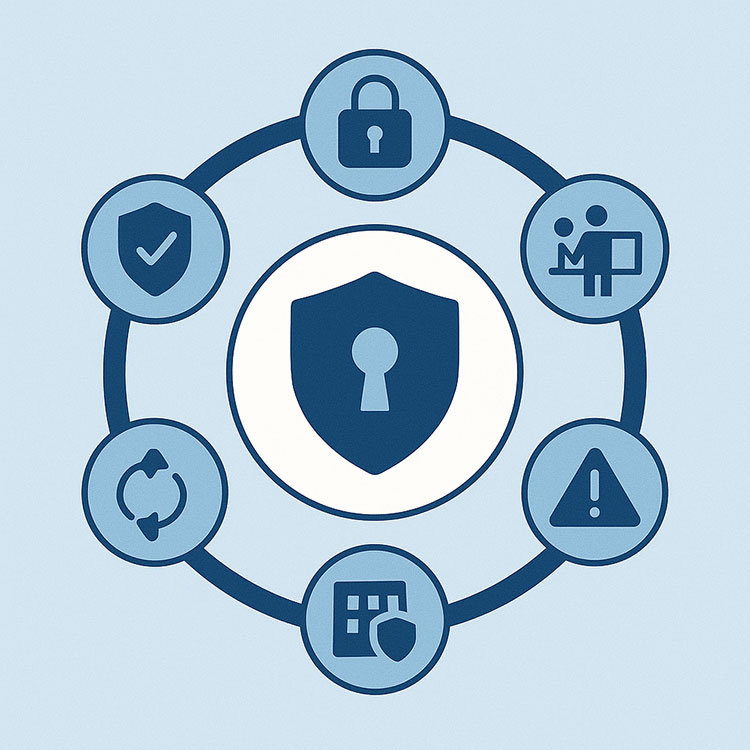
A well-structured WISP should address the following critical areas:
Data Classification & Access Control
Defines which data is sensitive, who can access it, and how it should be stored and protected.
Network & Endpoint Security Policies
Outlines firewall configurations, antivirus protection, and endpoint security measures to prevent unauthorized access.
Employee Security Awareness Training
Provides ongoing cybersecurity training to help employees recognize and prevent phishing attacks, ransomware threats, and data leaks.
Incident Response & Breach Notification
Establishes a clear protocol for responding to security incidents, minimizing damage and ensuring timely notification to affected parties.
Regulatory Compliance & Security Audits
Ensures your business meets industry regulations (HIPAA, PCI-DSS, CMMC, NIST) and undergoes regular security audits to identify vulnerabilities.
Backup & Disaster Recovery Planning
Defines data backup frequency, disaster recovery procedures, and business continuity strategies in case of a cyberattack or IT failure.
Vendor & Third-Party Security Management
Ensures third-party vendors and partners comply with your security policies to prevent data breaches through supply chain vulnerabilities.

Frequently Asked Questions (FAQs)
Does my business really need a WISP?
Yes. A WISP is essential for businesses of all sizes, especially those handling sensitive customer information, payment transactions, or proprietary data. Even if your industry does not require a WISP by law, implementing one reduces cybersecurity risks and protects your reputation.
How often should a WISP be updated?
A WISP should be reviewed and updated annually or whenever your business undergoes major changes, such as adopting new technologies, expanding operations, or facing new cybersecurity threats.
Who is responsible for implementing a WISP?
A WISP is a company-wide responsibility. IT teams, executives, HR, and legal departments must work together to ensure proper implementation, employee training, and compliance monitoring.
How does a WISP help with compliance?
A WISP ensures your business follows regulatory security standards such as HIPAA, PCI-DSS, CMMC, and NIST, helping you avoid fines, legal liabilities, and potential data breaches.
Can a WISP prevent cyberattacks?
A WISP cannot guarantee 100% protection, but it significantly reduces the risk of cyberattacks by enforcing strong security controls, training employees, and ensuring compliance with best practices.
What happens if my business doesn’t have a WISP?
Without a WISP, your business is more vulnerable to cyber threats, legal penalties, and reputational damage. A lack of formal security policies increases the likelihood of data breaches, compliance violations, and financial loss.
Can Netready help create a WISP for my business?
Yes. Netready specializes in developing, implementing, and maintaining WISPs for businesses across Southern California. We tailor each WISP to your industry, compliance requirements, and specific security needs.



